Category: News

  • Breakthrough Clinical Data: Oraglutide Delivers Sustained Glucose Control for Six Days From a Single Oral Capsule — With No Reported Side Effects

    FOR IMMEDIATE RELEASE

    BREAKTHROUGH CLINICAL DATA: ORAGLUTIDE DELIVERS SUSTAINED GLUCOSE CONTROL FOR SIX DAYS FROM A SINGLE ORAL CAPSULE — WITH NO REPORTED SIDE EFFECTS

    Diabetology Limited presents first-in-human oral capsule, intestinally absorbed GLP1 RA data at ADA 86th Scientific Sessions,

    • Demonstrating longer duration of action consistent with novel depot effect of ‘Oraglutide™’ for a low dose, low side effect, once weekly, oral diabetes and obesity therapy; and
    • Opens the development path to ‘Satietyde™’, a safe, lower cost, daily microdose therapy to address the growing post-Obesity therapy rebound and maintenance dilemma

    KEY HIGHLIGHTS

    • 6-day glucose control: A single 4 mg oral dose of Oraglutide™ produced a sustained fall in glucose. Measuring 14% at Day 6 (p=.046), the longest duration presented from a single oral GLP-1 dose in a human IVGTT study.
    • 28% increase in insulin secretion: Relative to placebo, insulin percent AUC increased by 12% on dosing day 0, (p=0.019) and 28% Day 1 (p = 0.025).
    • Novel intestinal depot effect: Blood levels of Oraglutide™ were higher on Day 1 than dosing on Day 0, consistent with a lipid associated depot effect in the intestinal wall — a fundamentally new pharmacological finding.
    • No nausea or side effects observed: No adverse events were observed across the 8-subject cohort over one week, consistent with the targeted vagal afferent mechanism that avoids peak off target outer circulation exposures.
    • Dose >6x lower than Rybelsus: Biopotency at least six-fold greater than Rybelsus (R2) demonstrating Oraglutide™ low dose, long acting potential and opens the door to Satietyde™ microdose maintenance and rebound prevention formulations.
    • Circulating Blood Levels sufficient to trigger pancreatic GLP-1 receptors observed to Day 4
    • Platform patent cover to 2044: Diabetology’s licensed Axcess™ formulations technology is protected by patents and applications extending to 2044.

    NEW ORLEANS, LOUISIANA — 7 JUNE 2026

    Diabetology Limited (Jersey, British Isles) today presented poster 1724-P at the American Diabetes Association’s 86th Scientific Sessions, reporting the first human data from Oraglutide™, an intestinally absorbed oral semaglutide capsule formulated using the licensed proprietary Axcess™ delivery technology. The data reveal an unprecedented duration of action following a single low oral dose, with no observed side effects, and provides strong mechanistic evidence for a previously undescribed intestinal lipid depot effect.

    “These results represent a genuine paradigm shift in oral GLP-1 therapy,” said Dr Roger New PhD, Chief Scientific Officer of Diabetology Limited Group. “We are seeing six days of glucose-lowering activity from a single 4 mg dose, at one-sixth the dose of currently approved oral semaglutide and with a completely clean safety profile so far. This data changes what we thought was possible with oral peptide delivery and is applicable to other lipidated GLP1 Peptides.”

    STUDY DESIGN & RESULTS

    The randomised, placebo-controlled study enrolled 8 healthy individuals aged 20–60 years with normal HOMA-IR at Breakthrough T1D Centre of Excellence, Perth, Western Australia (Principal Investigator: Prof Tim Jones). Participants received Diabetology’s Axcess™ placebo capsule on Day -2 and Oraglutide capsule formulation (4 mg semaglutide) on Days 0,1,4 and 6 on an empty stomach, with Intravenous Glucose Tolerance Testing (IVGTT) conducted at Days −2, 0, 1, 4 and 6.
    Primary efficacy findings:
    • Mean difference in percentage glucose AUC between Day 6 and Day −2 (placebo baseline) of 14%was statistically significant (p = 0.046),
      demonstrating continued glucose lowering six days after a single dose.
    • Insulin percent AUC secretion relative to placebo, increased by 12% Day 0 (p=0.02) and 28% Day 1 (p = 0.025),
    • No glucose reversion to baseline was observed at Day 6, suggesting the depot effect continues to activate responses well beyond the acute absorption phase.
    Pharmacokinetics — the intestinal depot:
    Oraglutide™ (4 mg in Axcess™) produced a peak blood concentration of 2.8 ng/ml (0.68 nmol/L) above background at Day 1. Critically, blood levels were higher on Day 1 than Day 0, supporting the hypothesis that lipophilic semaglutide in the Axcess™ formulation forms a depot effect within intestinal tissue, gradually releasing peptide into the systemic and enteric compartments over multiple days. Blood levels remained above 100 pmol/L for 4 day, sufficient to trigger pancreatic GLP-1 receptors.

    COMPARISON WITH RYBELSUS

    When compared with published Rybelsus data (Overgaard et al., Clin Pharm, 2021; 60:1335–1348), Oraglutide™ at 4 mg achieved similar blood concentrations comparable to those of Rybelsus (R1) single dose, when correcting for dose. Rybelsus (SNAC formulation) achieves absorption primarily in the stomach, where GLP-1 receptors function as mechanoreceptors rather than metabolic signal transducers, and has minimal access to the intestinal vagal afferents that are the physiological site of GLP-1 action. Oraglutide™, delivered to the small intestine, reaches GLP-1 receptors on vagal afferent neurons projecting into the intestinal lumen and lamina propria — the natural site of action of endogenous GLP-1. Oraglutide’s™ dual acting pathway, delivered to the small intestine, reaches both GLP-1 receptors on vagal afferent neurons projecting into the intestinal lumen and lamina propria, the natural site of action of endogenous GLP-1, as well as sustainingn sufficient outer circulating blood levels to day 4 to stimulate GLP1 receptors in the pancreas.

    MECHANISM: INTESTINAL VAGAL AFFERENTS AND THE AXCESS™ DEPOT EFFECT

    The Axcess™ formulation comprises a unique combination of excipients acting as absorption enhancers together with the receptor directed drug and has previously been validated in humans to deliver oral insulin safely and efficaciously (Luzio et al., 2009; New et al., 2022). In the GLP-1 context, the Axcess™ formulation directs a portion of the lipophilic semaglutide molecule into the lipid-processing pathway, which associate with vagal afferents along the intestinal wall, creating the novel longer acting depot-like effect observed here.
    This mechanism is fundamentally different from SNAC-based oral GLP1 RA’s, which increases peptide absorption principally through the gastric epithelium (stomach) into peripheral blood. As described in Diabetology’s published preclinical work (Frontiers in Endocrinology, 2025), in the same way as native GLP1, GLP-1 RAs administered via the intestinal route will interact directly with GLP-1 receptors on vagal afferent neurons, which are located in a different part of the brain from the nausea receptors (Huang et al.,Nature 632 585-598) avoiding CNS exposure and the associated nausea and adverse events seen with injectable and SNAC-based formulations. Injectable GLP-1 agents, for example liraglutide, semaglutide, tirzepatide, achieve their effects primarily via peripheral blood entry to the hindbrain and hippocampus. These systemic exposures are associated with gastrointestinal effects such as nausea and delayed gastric emptying, and safety signals for pancreatitis and gallbladder events have been reported and remain under investigation.
    Diabetology’s gut-targeting hypothesis is supported by preclinical intestinal-route work (Diabetology; Frontiers in Endocrinology, 2025) suggesting stimulation of vagal afferent GLP-1 receptors in those models, and further clinical confirmation of efficacy in humans is being carried out in a phase 2 diabetes and obesity study to establish that this approach translates into a materially improved tolerability profile.

    SATIETYDE™: A NEW APPROACH TO POST GLP-1 MAINTENANCE

    The extended duration of action demonstrated by Oraglutide’s™ intestinal depot effect opens a new therapeutic opportunity: Satietyde™, Diabetology’s planned lowcost, long-acting microdose Oral GLP-1 RA rebound and maintenance formulation designed to address the growing clinical dilemma of post-therapy maintenance and weight rebound.
    Post-GLP-1 rebound is now one of the most pressing unmet needs in obesity medicine. Recent meta-analyses confirm:
    • Pooled mean weight regain of 5.63 kg (95% CI: 3.52–7.73) within months of discontinuing GLP-1 therapy, with approximately 50–60% of lost weight regained within one year (Tzang et al., eClinicalMedicine, 2025).
    • When weight is regained after GLP-1 discontinuation, recovery is almost exclusively fat — while muscle is not restored at the same rate, potentially creating sarcopenic obesity with a significantly worse fat-to-lean body mass ratio than before treatment began (Cureus, 2026,doi:10.7759/cureus.468578).
    • Over half of patients discontinue GLP-1 therapy within 24 months (Penn Medicine, 2026), and those who stop-and-restart may face progressively diminished drug efficacy as the muscle:fat ratio deteriorates.
    Satietyde™, enabled by the long-acting Axcess™ intestinal depot, would provide a low-dose, lower-cost, oral maintenance option — targeting the vagal afferent satiety pathway at a fraction of the dose required by conventional GLP-1 therapies. By intervening at the point patients drop below therapeutic GLP-1 receptor stimulation, Satietyde™ could prevent the disproportionate fat-to-muscle rebound and its associated cardiometabolic harms, making weight management genuinely sustainable for the long term.
    “The rebound problem is creating a new chronic disease burden,” said Dr New. “Patients who were successfully treated with GLP-1 therapy and then stopped — for cost, achieving target weight, or side effects— potentially end up with worse body composition than before treatment. Satietyde™ is designed to fill this gap with an affordable, safe, orally taken maintenance option that leverages the safe intestinal vagal afferent pathway.”

    FURTHER DEVELOPMENT PLANS

    • Phase 2 clinical trials are underway in obese patients with and without type 2 diabetes.
    • Large animal studies corroborate the human data.
    • The Axcess™ platform is applicable to a range of peptides and peptide combinations, enabling future combination GLP-1 RA products.
    • Patent protection for the Axcess™ technology extends to 2044, with recent improvements providing IP cover beyond that date.

    ABOUT ORAGLUTIDE AND AXCESS™

    Oraglutide is Diabetology Limited’s oral capsule, small intestine directed formulation of semaglutide (and other lipidated GLP1’s and combinations) using the licensed proprietary Axcess™ oral peptide delivery technology. Axcess™ was originally conceived by co-founders in 2003 and uses 3 key pharmacopeial or food grade excipients to direct lipophilic peptides preferentially into the chylomicron pathway, enhancing delivery to intestinal vagal afferent GLP-1 receptors. The formulation has been previously validated in a 25,000 dose human clinical studies for oral insulin delivery (Luzio et al., 2009 and New et al DOM 2022).

    ABOUT DIABETOLOGY LIMITED

    Diabetology Limited is a Jersey-based biopharmaceutical company focused on the development of novel oral peptide therapies for diabetes and obesity. The co-lead projects are Oraglutide ™in Phase 2 and Capsulin™ oral insulin preparing for T2D phase 3 following a peer reviewed and published positive phase 2b with a 25,000 dose, safe usage over 3 months. The company’s licensed Axcess™ platform enables intestinal delivery of GLP-1 receptor agonists and other peptides, exploiting the gut–brain vagal afferent axis as the primary site of therapeutic action.

    Contact: Dr Roger New, rn@diabetology.co.uk

    REFERENCES

    1. New R et al. Glucagon-like peptide-1 receptor agonists for treatment of diabetes and obesity: advantage of oral delivery. Frontiers in Endocrinology (2025). doi:10.3389/fendo.2025

    2. Overgaard RV et al. Clinical Pharmacology of Oral Semaglutide. Clin Pharm 2021;60:1335–1348. doi:10.1007/s40262-021-01025-x

    3. Luzio SD et al. Comparison of inter- and intra-subject variability using a needle-free insulin delivery system and conventional subcutaneous injection. Diabetes Technol Ther 2009;11(3):143–149.

    4. Ismail et al. IVGTT first test in intravenous glucose tolerance testing. Pediatr Diabetes 2015;16(2):129–137. doi:10.1111/pedi.12064

    5. Tzang CC et al. Metabolic rebound after GLP-1 receptor agonist discontinuation: a systematic review and meta-analysis. eClinicalMedicine 2025;90. doi:10.1016/j.eclinm.2025.00614

    6. Zibellini J et al. Weight Regain After GLP-1-Based Therapy Discontinuation: Failure, Physiology, or Follow-Up Gap. Cureus 2026. doi:10.7759/cureus.468578

    7. Leung D et al. Stopping and restarting GLP-1s may make drug less effective. Penn Medicine News, April 2026.

    8. Scintigraphy study NCT01610345: Intestinal transit and absorption of lipophilic peptide formulations.

    9. Diabetology Limited, Axcess™ Oral GLP-1 Delivery Technology. Patent portfolio 2003–2044.

    10. New et al DOM (2022) Safety and efficacy of an oral insulin Capsulin in patients with early-stage T2DM

    11. Huang et al.(2024) Dissociable Hindbrain GLP1R circuits for satiety and aversion. Nature 632 585-598

    Poster 1724-P: “Long Duration of an Oral Semaglutide Administered via the Intestine in Healthy Humans” was presented at the American Diabetes Association 86th Scientific Sessions, New Orleans, LA, 5–8 June 2026. This press release is embargoed until the ADA scientific embargo is lifted on Friday 5 June 2026 at the time stipulated by the ADA.
  • Shaping the Future of Diabetes Treatment

    The Future of Diabetes Care: Innovation with Purpose

    The future of diabetes care will depend on continued scientific advancement and the thoughtful application of emerging technologies. As the global prevalence of diabetes continues to rise, healthcare systems, researchers, and industry leaders face increasing pressure to deliver solutions that are not only effective but also accessible and patient-friendly. Innovation in treatment is no longer limited to discovering new molecules; it also includes improving delivery systems, enhancing patient adherence, and ensuring long-term safety and sustainability.

    Modern diabetes management is evolving beyond traditional approaches. While maintaining tight regulation of blood glucose levels remains central to preventing complications, there is growing recognition that treatment must fit seamlessly into a patient’s daily life. The integration of digital health tools, continuous monitoring systems, and advanced pharmaceutical research is reshaping how patients interact with their therapy. The future lies in combining medical precision with practical usability.

    Progress in diabetes care requires meaningful collaboration between scientific research, clinical insight, and patient-focused design. Breakthroughs occur when laboratory discoveries are informed by real-world clinical experience and guided by a deep understanding of patient needs. This multidisciplinary approach ensures that innovation is not developed in isolation but is instead aligned with the realities of everyday diabetes management.

    Key Drivers of Progress in Diabetes Innovation

    Several core factors are shaping the next generation of diabetes treatments and improving long-term outcomes:

    • Advancements in oral drug delivery systems that enhance absorption and therapeutic consistency.
    • Improved formulations designed to reduce side effects and increase patient adherence.
    • Integration of technology to support monitoring, dosage accuracy, and data-driven treatment adjustments.
    • Personalized medicine approaches tailored to individual metabolic profiles and risk factors.
    • Collaborative research models that unite pharmaceutical development, clinicians, and patient communities.

    Among these developments, innovation in oral drug delivery plays a particularly significant role. For many patients, oral therapies represent a more convenient and less invasive option compared to injectable treatments. Improving bioavailability, stability, and controlled release mechanisms can significantly enhance therapeutic effectiveness while simplifying treatment routines. When patients are more comfortable with their medication, adherence improves—and better adherence leads to better health outcomes.

    At the same time, scientific progress must remain grounded in ethical responsibility and long-term safety evaluation. New technologies must be rigorously tested, carefully regulated, and continuously assessed after implementation. Sustainable innovation requires not only ambition but also accountability.

    Diabetology Ltd is committed to contributing to this future through ongoing research and innovation in oral drug delivery. By combining scientific expertise with a clear understanding of patient needs, the company aims to help shape a more effective, accessible, and patient-centered approach to diabetes care. Through collaboration, research excellence, and forward-thinking development strategies, the path toward improved quality of life for people living with diabetes becomes increasingly attainable.

  • Responding to the Rising Incidence of Diabetes

    Addressing the Global Rise in Diabetes

    The global rise in diabetes prevalence underscores the urgent need for scalable and effective treatment solutions. Across both developed and emerging healthcare systems, the growing number of individuals living with diabetes presents complex medical, economic, and social challenges. Longer life expectancy, changing lifestyles, urbanization, and increasing rates of obesity have all contributed to the steady expansion of this chronic condition worldwide. As a result, healthcare providers must manage not only higher patient volumes but also more complex long-term care requirements.

    Diabetes is not a short-term illness; it requires continuous monitoring, structured therapy, and long-term complication prevention. Without efficient and accessible treatment strategies, healthcare systems risk becoming overwhelmed by hospital admissions, cardiovascular complications, kidney disease, neuropathy, and other serious outcomes associated with poorly controlled blood glucose levels. Sustainable diabetes management must therefore focus on both improving individual patient outcomes and reducing the broader burden on healthcare infrastructure.

    Innovation as a Foundation for Sustainable Care

    As healthcare systems face increasing demand, innovations that improve efficiency and patient outcomes become critically important. Modern treatment strategies must prioritize scalability—solutions that can be widely implemented without sacrificing quality of care. This requires a balance between scientific advancement, cost-effectiveness, and patient-centered design.

    Several strategic priorities are shaping the future of scalable diabetes care:

    • Development of treatment technologies that are easy to administer and integrate into daily routines.
    • Enhancement of oral drug delivery systems to improve consistency and therapeutic reliability.
    • Reduction of treatment-related side effects to support long-term adherence.
    • Optimization of manufacturing processes to enable broader global access.
    • Collaboration between research institutions, clinicians, and industry to accelerate responsible innovation.

    Efficiency in diabetes care is not solely about reducing costs; it is about delivering better health outcomes with smarter systems. When treatments are more reliable, easier to use, and tailored to patient needs, adherence improves and complication rates decline. This creates a positive cycle: healthier patients require fewer acute interventions, which in turn reduces strain on healthcare systems.

    Diabetology Ltd remains focused on advancing technologies that may contribute to sustainable diabetes care worldwide. Through ongoing research, innovation in oral drug delivery, and a commitment to practical, scalable solutions, the company aims to support healthcare systems in meeting current demands while preparing for future challenges. By aligning scientific progress with global healthcare needs, sustainable and effective diabetes management becomes an achievable goal rather than a distant ambition.

  • Experience as a Foundation for Innovation

    Innovation Built on Experience

    Innovation is strongest when grounded in experience. In the field of diabetes research, long-term involvement provides invaluable insight into both the scientific complexities of the disease and the everyday realities faced by patients. Over time, patterns emerge—challenges in adherence, variability in response to treatment, and practical barriers that may not be immediately visible in controlled research environments. Experience transforms data into understanding, and understanding into better solutions.

    Diabetes management is not defined solely by laboratory results or clinical endpoints. It is shaped by lifestyle demands, treatment convenience, safety considerations, and long-term sustainability. Researchers and developers who have worked extensively in this field are better equipped to anticipate potential obstacles and design technologies that address them proactively. This accumulated knowledge helps bridge the gap between scientific theory and practical application.

    From Insight to Informed Development

    A deep foundation in diabetes research enables more informed decision-making throughout every stage of the development process. From early formulation strategies to clinical evaluation and eventual implementation, experience guides critical choices that influence safety, efficacy, and usability. Rather than reacting to challenges after they arise, experienced teams can identify potential risks early and incorporate preventative measures into product design.

    Key advantages of long-term research experience include:

    • A comprehensive understanding of metabolic mechanisms and therapeutic targets.
    • Insight into patient behavior, treatment adherence patterns, and real-world usage challenges.
    • Refined evaluation processes that prioritize both efficacy and long-term safety.
    • Strategic development planning that aligns innovation with clinical practicality.
    • The ability to integrate lessons learned from past research into future technologies.

    This perspective strengthens not only scientific rigor but also patient-centered design. Treatments developed with real-world awareness are more likely to be adopted consistently and successfully. In chronic conditions such as diabetes, where management is lifelong, even small improvements in usability and reliability can have meaningful long-term impact.

    Diabetology Ltd’s decades of experience serve as a strong foundation for technologies designed to address real-world treatment needs. By combining accumulated scientific knowledge with a practical understanding of patient challenges, the company continues to pursue innovations that are both forward-thinking and grounded in reality. Sustainable progress in diabetes care depends not only on new discoveries, but on the wisdom gained from years of dedicated research and clinical engagement.

  • Supporting Consistency in Diabetes Treatment

    The Importance of Consistency in Diabetes Management

    Consistency is a critical factor in effective diabetes management. Maintaining stable glycaemic control over time requires reliable treatment routines, predictable therapeutic responses, and sustained patient engagement. Even small variations in medication timing, dosage accuracy, or adherence patterns can influence blood glucose stability and, over the long term, impact overall health outcomes. For individuals living with diabetes, structured and dependable therapy is not simply beneficial—it is essential.

    Variability in treatment routines can arise from multiple sources, including complex dosing schedules, inconvenient administration methods, side effects, or lifestyle disruptions. When therapy becomes difficult to integrate into daily life, adherence may decline. In chronic conditions such as diabetes, where treatment is continuous rather than temporary, maintaining consistency becomes both a medical and behavioral challenge. Addressing this challenge requires thoughtful design that supports patients in sustaining their routines with minimal disruption.

    Simplified Delivery and Long-Term Adherence

    Simplified delivery methods may help patients maintain consistent therapy over time, reducing friction in everyday management. When treatments are easier to administer, discreet, and aligned with normal daily activities, they are more likely to be used correctly and regularly. This reliability contributes directly to improved glycaemic control and may lower the risk of long-term complications.

    Key elements that support consistent diabetes therapy include:

    • Streamlined dosing schedules that reduce complexity and confusion.
    • Enhanced oral drug delivery technologies that promote stable absorption and predictable effects.
    • Formulations designed to minimize side effects that might otherwise discourage adherence.
    • User-centered treatment design that integrates seamlessly into daily routines.
    • Long-term safety and reliability supported by rigorous clinical evaluation.

    Consistency not only benefits individual patients but also supports broader healthcare efficiency. When therapy is reliable and adherence remains high, complication rates may decline, reducing the need for acute interventions and intensive medical care. This creates a more sustainable model of diabetes management, centered on prevention and stability rather than reactive treatment.

    Diabetology Ltd’s work aims to support treatment approaches that encourage reliability and long-term adherence. By focusing on technologies that simplify delivery and promote consistent therapeutic performance, the company seeks to contribute to more dependable and sustainable diabetes care. In chronic disease management, progress is often measured not by dramatic breakthroughs alone, but by steady, reliable improvement—and consistency remains at the heart of that progress.

  • Overcoming Barriers to Oral Protein Delivery

    Overcoming the Challenges of Oral Protein Delivery

    Delivering protein-based drugs orally presents significant scientific obstacles. Unlike small-molecule compounds, protein therapeutics are highly sensitive to environmental conditions within the digestive system. Exposure to stomach acid, digestive enzymes, and variable pH levels can lead to rapid degradation before the active substance reaches systemic circulation. In addition, the natural barrier function of the intestinal lining limits the absorption of large, complex molecules, making consistent bioavailability difficult to achieve.
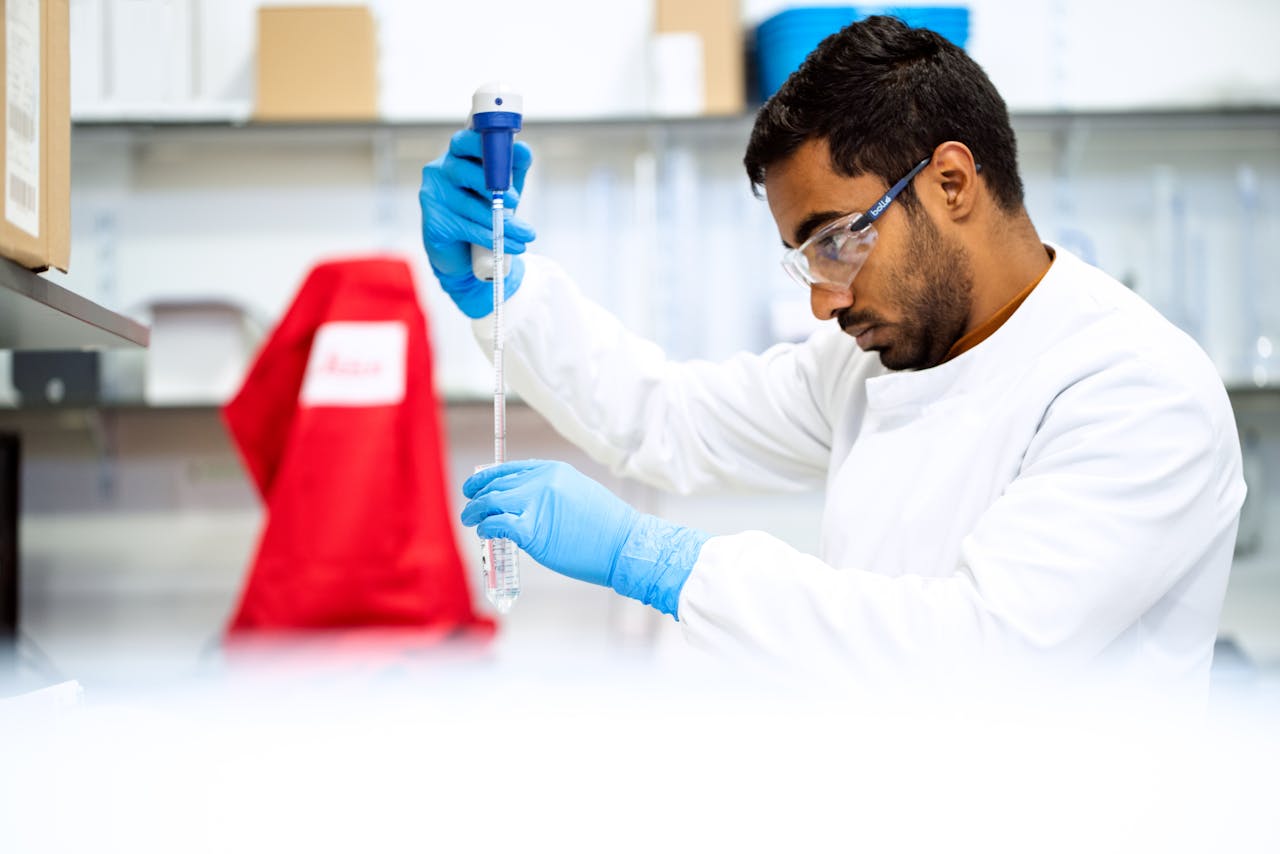
    These physiological defenses exist to protect the body, yet they create substantial barriers for pharmaceutical development. As a result, many protein-based therapies have traditionally required injectable administration to bypass the gastrointestinal tract. While effective, injectable treatments may present practical challenges for long-term adherence and patient comfort. Advancing oral delivery methods for sensitive therapeutic molecules therefore represents both a scientific and patient-centered priority.

    Integrating Biochemistry, Physiology, and Engineering

    Addressing these barriers requires a deep and integrated understanding of biochemistry, human physiology, and pharmaceutical engineering. Each stage of the digestive process must be carefully considered—from protecting the molecule against enzymatic breakdown to facilitating safe and predictable absorption across the intestinal epithelium. Success depends on designing delivery systems that can shield the active ingredient while enabling it to reach its intended therapeutic target.

    Key scientific considerations in oral protein delivery include:

    • Stabilization of protein molecules against acidic and enzymatic degradation.
    • Controlled release mechanisms that optimize timing and location of absorption.
    • Enhancement strategies to improve permeability across biological membranes.
    • Maintenance of molecular integrity to preserve therapeutic activity.
    • Rigorous testing to ensure safety, consistency, and reproducibility.

    Developing effective solutions requires multidisciplinary collaboration and sustained research investment. Small variations in formulation, excipient selection, or release profiles can significantly influence clinical performance. Therefore, innovation in this field must be both precise and adaptable, guided by comprehensive scientific evaluation and real-world validation.

    Diabetology Ltd’s proprietary technologies are designed to address these challenges and support reliable oral delivery of sensitive therapeutic molecules. By combining expertise in molecular science with advanced pharmaceutical engineering, the company seeks to expand the possibilities of oral treatment options. Through continued research and carefully designed delivery platforms, progress toward dependable, patient-friendly protein-based therapies becomes increasingly attainable.

  • Addressing Unmet Needs in Diabetes Care

    Addressing Unmet Needs in Diabetes Care

    Despite major advances in diabetes treatment, many unmet needs remain. Over recent decades, progress in pharmacology, monitoring technologies, and clinical protocols has significantly improved patient outcomes. However, living with diabetes still presents daily challenges that extend beyond laboratory values and prescribed regimens. Treatment burden, long-term adherence, and overall quality of life continue to shape the real-world experience of patients managing this chronic condition.

    The complexity of ongoing therapy can create physical, emotional, and practical strain. Frequent dosing, monitoring requirements, lifestyle adjustments, and concerns about long-term complications may contribute to treatment fatigue. Even when therapies are clinically effective, their impact may be reduced if they are difficult to sustain over time. Addressing these gaps requires a deeper understanding of how patients interact with treatment in everyday life.

    Combining Clinical Effectiveness with Practical Usability

    Innovation in diabetes care must focus not only on clinical effectiveness but also on practical usability. Therapies that demonstrate strong results in controlled settings must also perform reliably under real-world conditions. Technologies that fail to integrate smoothly into daily routines risk limiting their broader impact, regardless of their scientific promise.

    Key areas of focus in addressing unmet needs include:

    • Reducing treatment complexity to ease daily management demands.
    • Enhancing delivery methods to improve comfort and convenience.
    • Designing solutions that support consistent long-term adherence.
    • Minimizing side effects that may discourage sustained use.
    • Incorporating patient feedback into research and development processes.

    A patient-centered approach ensures that innovation addresses both measurable outcomes and lived experience. When usability, reliability, and safety are considered alongside therapeutic potency, treatments are more likely to achieve meaningful and lasting benefits. Sustainable progress in diabetes management depends on closing the gap between clinical potential and everyday practicality.

    Diabetology Ltd focuses on identifying these gaps and developing technologies designed to address them through patient-centered innovation. By aligning scientific research with real-world treatment challenges, the company aims to contribute to more balanced, effective, and sustainable approaches to diabetes care. Through continuous refinement and thoughtful design, innovation can help transform persistent challenges into opportunities for improvement.

  • Decades of Expertise Driving the Future of Diabetes Treatment

    Decades of Expertise Driving the Future of Diabetes Treatment

    Three Decades of Expertise in Diabetes Care

    The foundation of Diabetology Ltd is built on more than thirty years of scientific research and clinical experience in the field of diabetes. This long-term commitment has fostered a deep understanding of the disease, its progression, and the many complexities that affect patient care. By combining rigorous research with practical clinical insight, the company has developed a holistic perspective on what effective diabetes management entails.

    The founders’ extensive background has enabled Diabetology Ltd to identify unmet needs in diabetes treatment and focus on solutions that address real-world challenges faced by patients and clinicians. Rather than pursuing innovation for its own sake, the company prioritizes developments that can improve adherence, simplify therapy, and enhance the overall quality of life for individuals living with diabetes.

    Advancing Oral Delivery Technologies

    Developing oral delivery systems for insulin and other protein-based drugs presents significant scientific challenges. Active molecules must be protected from enzymatic degradation, acidic environments, and other barriers in the digestive system, while still being absorbed reliably into the bloodstream. Achieving this requires expertise in biochemistry, physiology, and pharmaceutical engineering, as well as careful formulation and delivery system design.
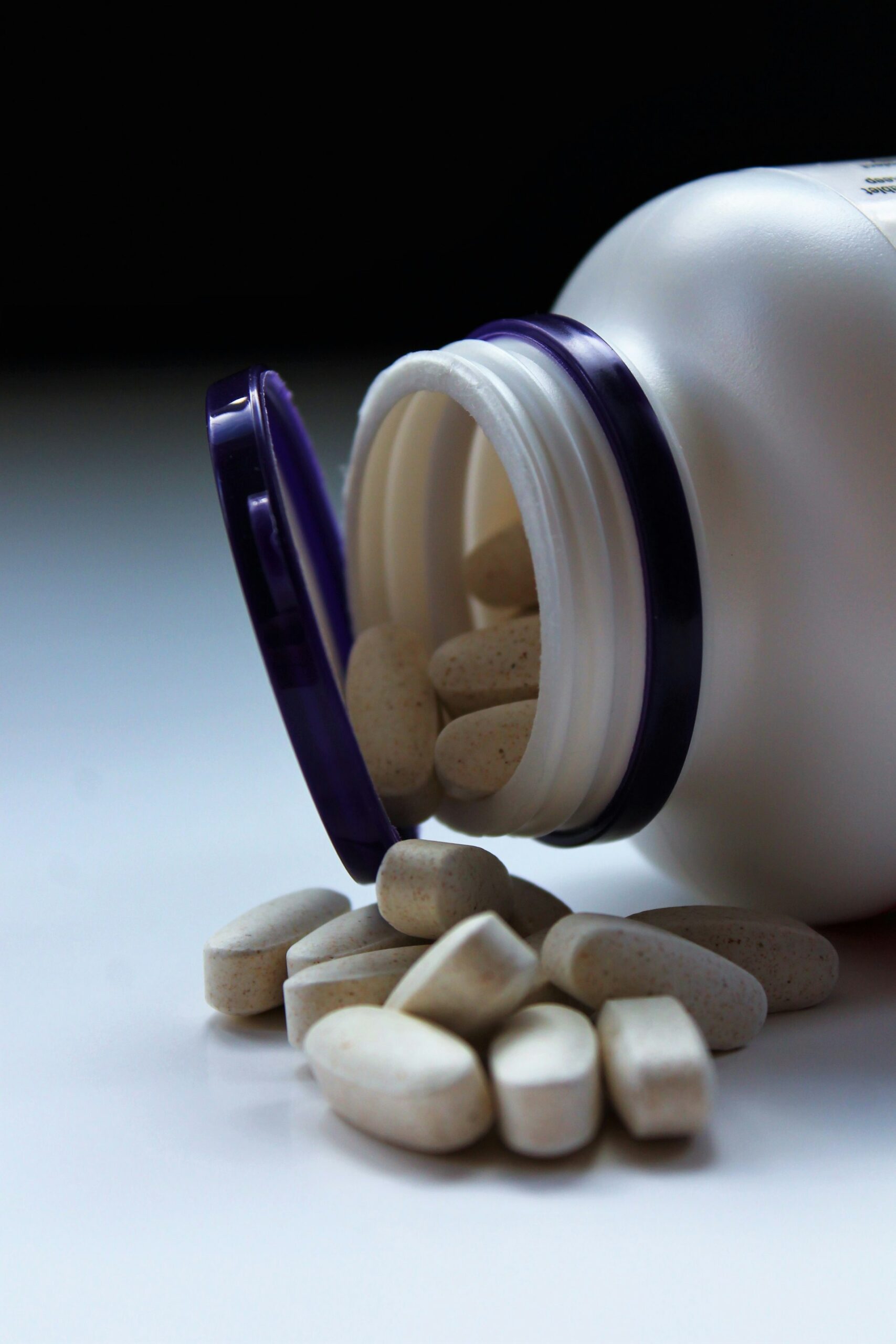
    Through sustained research and innovation, Diabetology Ltd has developed state-of-the-art proprietary technologies aimed at overcoming these obstacles. These advances reflect both technical expertise and a patient-focused vision, enabling the creation of therapies that are more convenient, effective, and suitable for long-term management. Oral delivery technologies are designed not just to improve efficacy, but to reduce treatment burden and support consistent adherence.

    Experience Driving Innovation for the Future

    As diabetes incidence continues to rise globally, experience and innovation must go hand in hand. Long-term insight allows for thoughtful development of technologies that can withstand evolving clinical needs and patient expectations. By leveraging decades of accumulated knowledge, the company can anticipate challenges and implement solutions with clarity and precision.

    Diabetology Ltd remains committed to advancing research-driven solutions that may contribute meaningfully to the future of diabetes care. Through the integration of scientific rigor, patient-centered design, and cutting-edge delivery technologies, the company aims to improve outcomes for patients worldwide. In a field defined by chronic care and lifelong management, sustained expertise and continuous innovation are essential to achieving meaningful and lasting progress.

  • Enhancing Quality of Life Through Patient-Centered Innovation

    Enhancing Quality of Life Through Patient-Centered Innovation

    Balancing Diabetes Management with Daily Life

    Managing diabetes is a lifelong commitment that extends far beyond medication alone. Patients must balance treatment with work, family responsibilities, travel, and social activities, often adapting their routines around their condition. This constant attention can affect both the logistical and emotional aspects of everyday life, requiring ongoing planning, monitoring, and self-discipline.

    Over time, the continuous demands of diabetes management can lead to stress, fatigue, and reduced motivation. These factors may negatively impact not only physical health, such as blood glucose control, but also emotional well-being. A patient’s quality of life can therefore be closely tied to how manageable and supportive their treatment regimen is.

    Enhancing Quality of Life through Patient-Centered Innovation

    Improving quality of life is a critical component of effective diabetes care. Treatments that are easier to use, less intrusive, and seamlessly integrated into daily routines can encourage better adherence and more consistent health outcomes. By reducing barriers to regular therapy, patients can maintain more stable glycaemic control while experiencing less stress and disruption.

    At Diabetology Ltd, patient experience is central to our mission. We believe that innovation should focus not only on clinical results, but also on how patients live with their treatment every day. Understanding patient realities allows the company to design technologies that are both effective and practical, supporting engagement over the long term.

    Oral drug delivery technologies may help reduce the psychological and physical burden associated with injections, offering patients greater flexibility, independence, and confidence in managing their condition. These systems aim to simplify therapy without compromising efficacy, enabling patients to maintain normal routines and enjoy a greater sense of control over their health.

    By prioritizing patient-centered design, Diabetology Ltd aims to support long-term health while helping individuals maintain independence, comfort, and a sense of normality. Through thoughtful innovation, the company seeks to transform diabetes care into an approach that empowers patients, enhances adherence, and improves both physical and emotional outcomes over the course of a lifetime.

Subscribe to our newsletter