
Overview for Axcess

What is Axcess?

The Axcess formulation is a combination of GRAS-listed or pharmacopoeial excipients which have a long history of safe clinical use via the oral route, in quantities ingested daily at higher levels than administered in the Axcess formulation. The excipients are mixed with the active as a dry powder. There is no chemical interaction between the active and the excipients, and no requirement for modification of the active in terms of sequence or derivatisation.
The formulation has good stability at room temperature (at least 6 months) and can be kept at +4C for at least 18 months. The capsule is small and easy to swallow (size 4) and is simple and cheap to manufacture.
Diabetology has an extensive pipeline of products in the diabetes, obesity and metabolic disease spaces, based on oral insulin [link] and oral GLP-1 receptor agonists [link], both giving good results in man.

How does Axcess work?

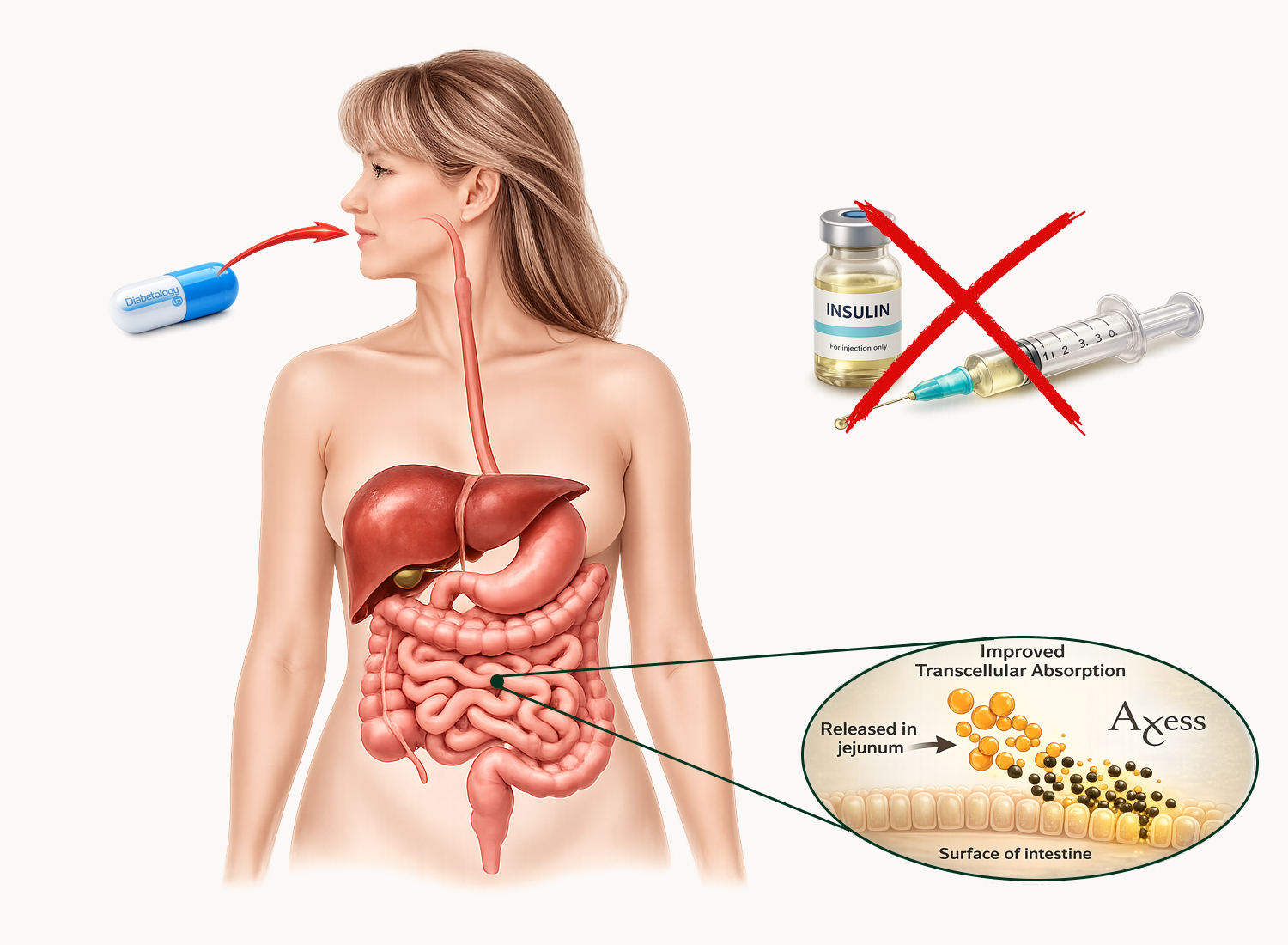
Figure 1: Mode of action of the Axcess formulation

The key features of Axcess are as follows:
  1. An enteric-coated capsule protects the formulation and the API during its passage through the stomach
  2. The enteric coating dissolves on rise in pH in intestine, and the formulation is released into the lumen of the gut
  3. The Axcess excipients protect the API from degradation by transiently inhibiting gut proteases
  4. The formulation and the API cross the mucin layer, and come into contact with enterocytes lining the gut wall
  5. The excipients enhance uptake into the enterocytes via internalisation employing a vacuolation process (see figure below)
  6. Transcellular passage across the cells takes place within the vacuoles, the contents of which are then exocytosed into the basal compartment.
  7. Hydrophilic APIs then drain via the blood microvasculature into the portal vein, and hence to the liver

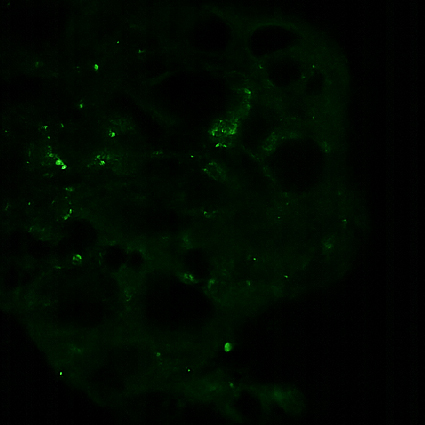
Negative control:
fluorescent-labelled insulin alone

Low concentration Axcess + fluorescent-labelled insulin
High concentration Axcess + fluorescent-labelled insulin
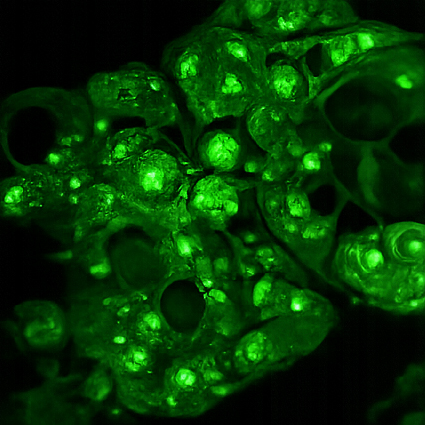
Figure 2: Uptake of insulin into vacuoles within intestinal cells (CaCo2) in the presence of the Axcess formulation, but not in its absence. Reproduced with permission from New et al (2024) Glucagon-like peptide-1 receptor agonists for treatment of diabetes and obesity: advantage of oral delivery
Can Axcess Deliver Many Different Peptides?

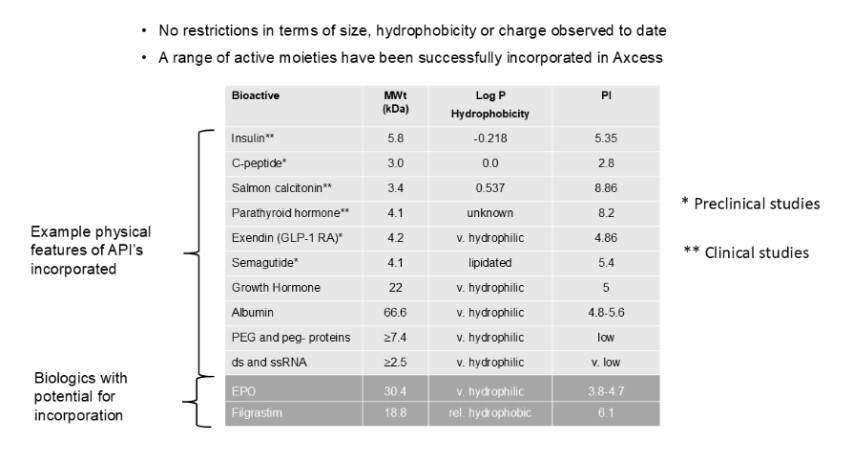
Yes. The ability of Axcess to deliver a peptide orally is unrelated to the natures of the peptide itself, so a wide range of peptides and proteins can be incorporated into the Axcess formulation and administered as capsules. As can be seen in the table below, peptides differing in molecular weight, charge, hydrophilicity etc have all been worked on either in a preclinical or a clinical setting.

Figure 3: Demonstration of versatility of Axcess in terms of peptides which can be delivered

The distribution seen in the body will depend on the receptors which the peptides is targeting. In the case of insulin, the peptide passes via the portal vein into the liver, where receptors bind to most of the peptide before it can pass into the outer circulation. As a result, blood levels of insulin in the peripheral bloodstream are maintained at low levels when delivered in Capsulin, which is the ideal situation.
In contrast, peptides for which receptors are not present in the liver will pass straight though the liver into the outer circulation, resulting in high concentrations in the bloodstream. A good example of this is exenatide, a GLP-1 receptor agonist. Receptors for GLP-1 are not found in the liver, and in Diabetology’s rodent studies an apparent bioavailability close to 20% is seen in the portal vein, and ~10% in the outer circulation [New 2024]. In addition to oral insulin, Diabetology is focussing on delivery of GLP-1 receptor agonists (GLP-1 RAs) in the Axcess formulation, and is generating data in preclinical and clinical studies with its “Oraglutide” formulation, containing peptides such as semaglutide and others.

Diabetology has already demonstrated that it is possible to put two peptides into the same formulation [New 2024] – namely insulin and a GLP-1 receptor agonist (exenatide) – and this capability can be applied across the board to the whole range of peptides which can assist and synergise with each other in the area of diabetes and obesity, as a result of co-administration in one capsule, to enhance activity of these peptides beyond what is currently achievable.

Subscribe to our newsletter